
As December sets in, the sky over Nagaoka seems to drop lower.
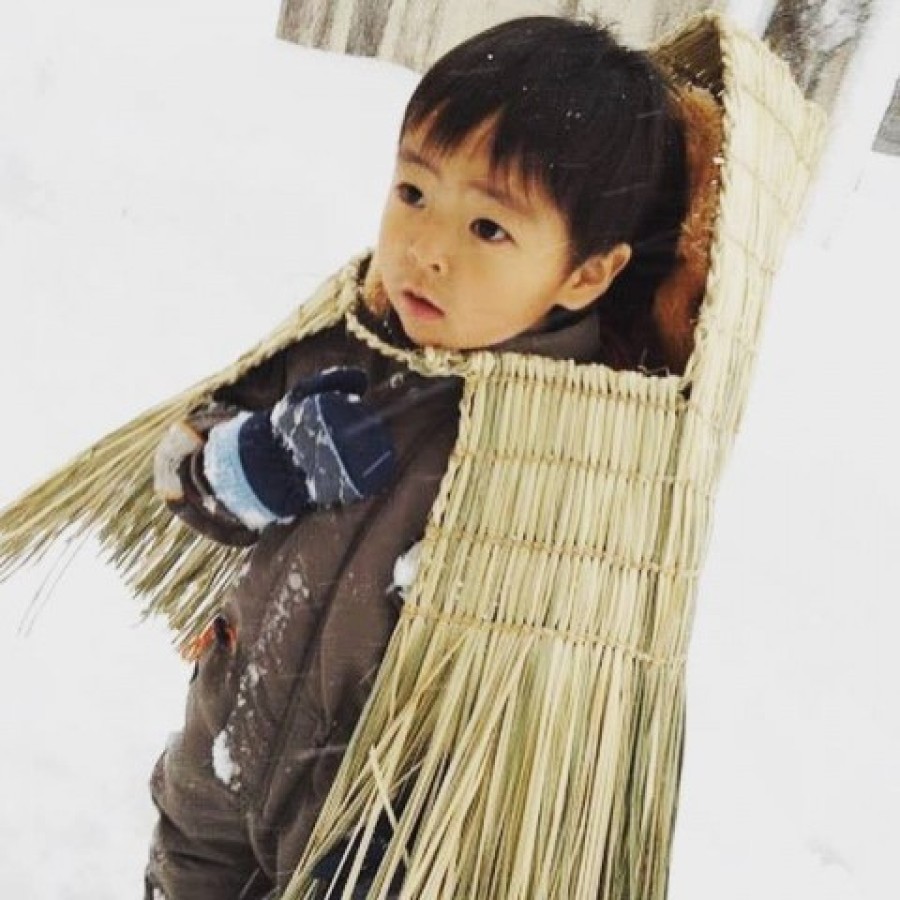
Lead-coloured clouds drift down from the mountains, turning first to sleet and then to snow. As the snow begins to settle, all sound fades away. The noise of the town is absorbed by the snow, and the world falls silent. Amidst that silence, I drift off to sleep, thinking about shovelling the snow the following morning. That is how winter begins in a snowy region.
To an outsider, life in a snowy region might seem to be one long series of inconveniences. Yet people have lived in areas with heavy snowfall since ancient times. In the Shinano River basin, the Jōmon culture—characterised by flame-patterned pottery, amongst other features—flourished, and people have settled there for thousands of years.The fact that people have continued to live in these snowy regions is neither a matter of sheer stubbornness nor mere inertia. There was a compelling reason for it: the snow itself.
Snow is a dam.
Rain begins to flow the moment it falls. When heavy rain falls, rivers rise rapidly, creating a risk of flooding. Snow is different. Even when it falls, it does not move straight away. It accumulates on the mountains and on the ground, and simply lies there. Then, when spring arrives, it begins to melt slowly.
This time lag was the lifeline of snow-covered regions. The snow that accumulates during the winter melts gradually from spring through to summer, so that by the time water is needed for the rice-planting season, the snow on the mountains has melted just enough to supply the necessary water. Even without the construction of artificial dams, the mountains as a whole have functioned as a vast reservoir.
Meltwater does not simply flow away.
It seeps into the soil and flows slowly through the ground, being filtered by sand and gravel.
During this process, impurities are removed, and the water is delivered to the fields as pure water.
Snow has shaped not only water, but also the very way people live their lives.
During the winter, the fields are covered in snow.
Every year, there is inevitably a period lasting several months when no crops can be harvested.
It was this constraint that fostered the wisdom of conservation.
Vegetables harvested in autumn are salted, dried and pickled in koji.
Niigata’s pickling culture originated from the ingenuity required to survive in a snowy region.
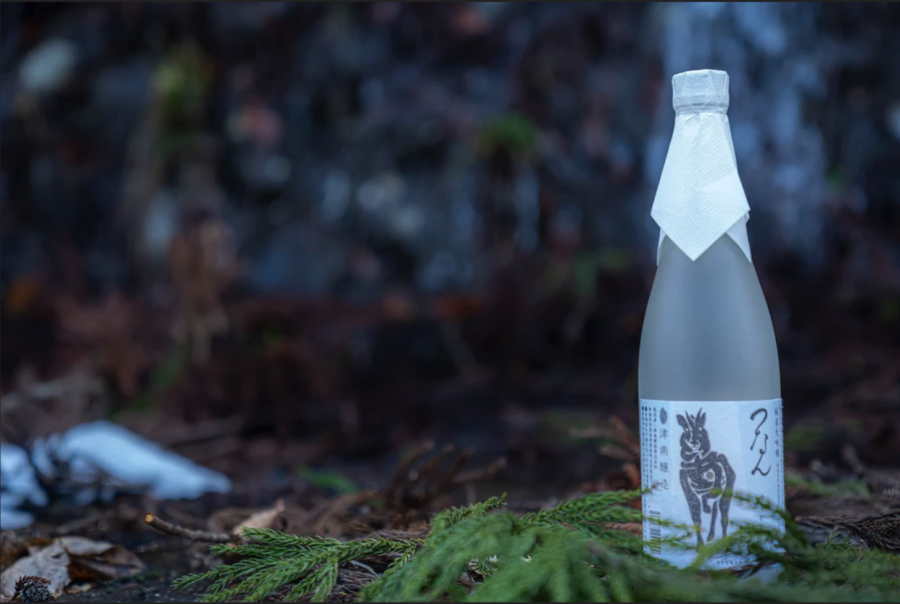
Furthermore, winters in snowy regions are well-suited to sake brewing.
This is because the temperature is low, allowing fermentation to proceed slowly.
The reason why Niigata’s sake has become renowned throughout the country is down to the benefits of the region’s winter climate.
During the snowy season, it was not easy for people from other areas to visit our home.
That is precisely why a culture of hospitality towards visitors who make the journey through the snow has developed.
We value those who have gone out of their way to visit us.
Perhaps that feeling, too, is a culture nurtured by a snowy region.
Perhaps it is the way of life that has been most profoundly affected by the snow.
Simply clearing the snow in front of your own house won’t create a path. It is only by working together with your neighbour and the neighbour next door to clear the snow that a path becomes passable. The mindset of ‘as long as my own house is fine’ simply doesn’t work in a snowy region. Every winter, this has provided an opportunity for the whole village to work together.
Whenever someone had cleared a path, the drinking session would begin with a call of ‘Thank you for your hard work’. Scenes like this have been played out all over the snow country. These occasions for mutual assistance become opportunities for socialising. I believe it is partly due to this culture that Niigata boasts one of the highest levels of sake consumption in the country.Sake was not merely a luxury item, but also a means of bringing the community together.
When you look at it this way, snow isn’t just a nuisance.
Snow has stored water, fostered wisdom regarding food preservation and fermentation, allowed the soil to rest, and created the ideal environment for sake brewing. Above all, by presenting a shared challenge, it has brought people together.
This is no accident. The people who have chosen to live on this land and have continued to do so have made the most of the blessings of the snow, treating them as a ‘trust’.
However, the benefits of snow can only be realised if there is snow in the first place. In recent years, climate change has begun to alter the amount of snowfall. Snow, as a gift of nature, is also something entrusted to us. Whether we can pass it on to the next generation in the same form depends on the choices we make today.
ATUSHI KABASAWA
FARM8 Co. Ltd.,
Next chapter: ‘Regions That Become Constellations’ – Chapter 4: How Rice Built Communities