
When I was younger, I wanted to share the best of Japan with the world.
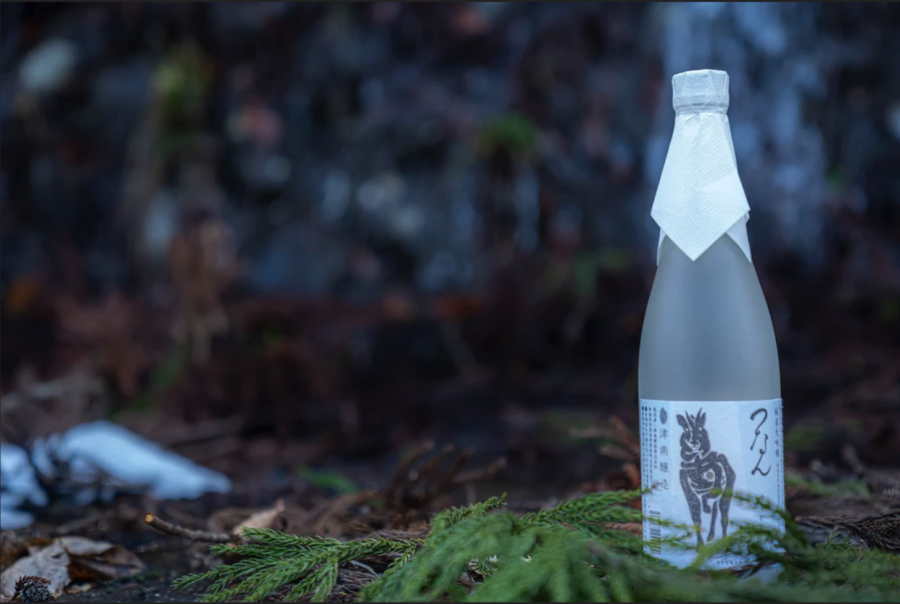
There is some sake.
There is a culture of fermentation.
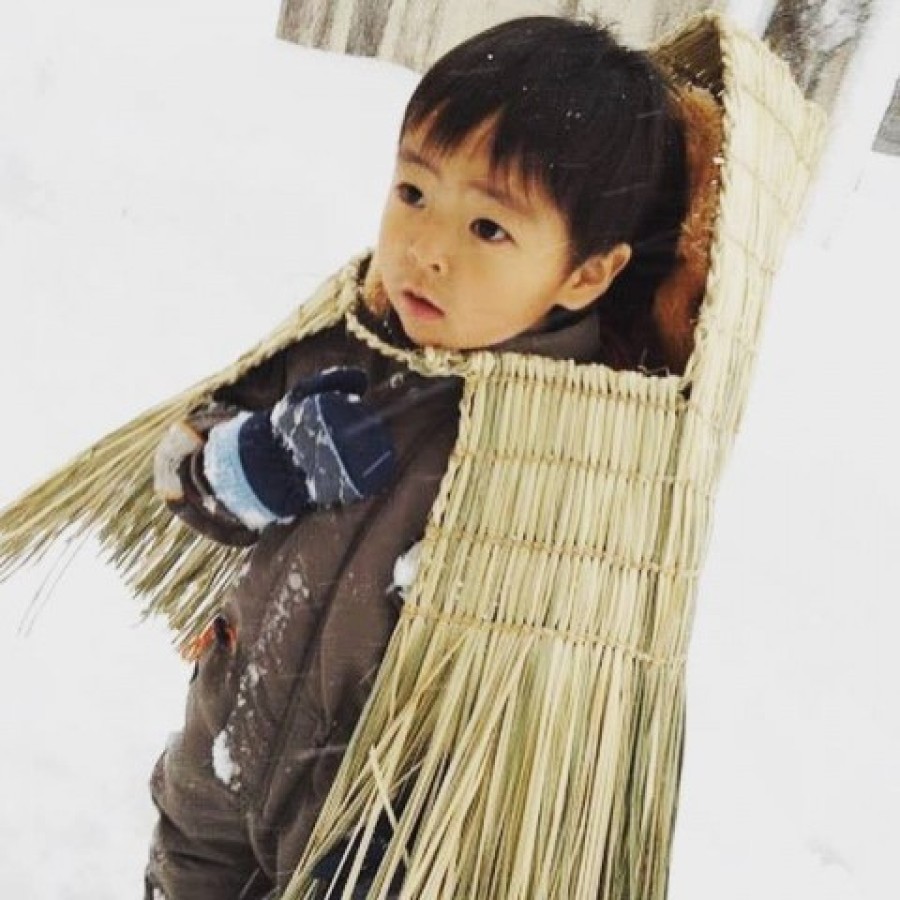
There is a way of life in snow-covered regions.
There are many things we can be proud of on the world stage.
That’s why I went abroad, trying to convey that message.
But as I travelled around the world, I realised something.
Every part of the world had something to be proud of.
Whilst I had wanted to share the best of Japan, I also learnt that the regions I visited had their own unique cultures and wisdom.
It was only when I went abroad that I realised I had been looking at nothing but Japan.
In 2016, I was fortunate enough to have the opportunity to join the ‘Asian Round Table’ project as one of its founding members.
Food, art, retail and design. This is an initiative to bring people together around a single round table, transcending the boundaries of industry and nationality.
It is not a case of some people being the teachers and others the learners. Nor is it a question of which country is superior and which is inferior. We bring together the culture and wisdom that have been cherished in each region and sit down to talk together at the same table.
That is the meaning behind the name ‘Round Table’.
Japan, Taiwan, South Korea, Indonesia, China and Thailand. Together with friends from each of these places, we talked about the culture, way of life, food and business practices of their respective regions. Before we knew it, each session had turned into a deeply meaningful experience.
One of the founders had made an interesting discovery whilst interacting with creators across Asia over many years.
The expression ‘to eat from the same pot’ existed as a similar proverb in many Asian countries.
Sharing a meal builds trust. Sharing a meal deepens relationships. Our food cultures may differ, but the significance of gathering around a meal is surprisingly similar.
In South Korea, I had the opportunity to meet with the owners of various makgeolli breweries.
Sake and makgeolli. On the face of it, they might appear to be competing drinks.
However, when I spoke with other brewers, a completely different picture emerged.
Both are alcoholic beverages made by fermenting rice.
It was a culture of rice fermentation that had been nurtured within the climate, natural environment and way of life of each region.
‘Let’s establish a sister city relationship with Rice Wine.’ That idea just came up naturally.
Rather than competing, could we not instead inspire and uplift one another as cultures that share common roots?
I thought I was observing the country of South Korea.
But the people I actually encountered were those who were growing rice, fermenting it, and striving to preserve the local culture.
Sake breweries in Niigata and makgeolli breweries in South Korea.
Although we were from different countries, the worries we carried and the things we wanted to protect were surprisingly similar.
Sometimes, regions are closer to one another than national borders.
That’s how I felt.
In Indonesia, we worked on a project to commercialise Japanese curry in collaboration with local designers.
It wasn’t as though I’d simply taken Japanese curry with me as it was.
Local ingredients are used, and local designers create the packaging in keeping with local sensibilities.
Whilst using Japanese materials, Indonesian culture shaped the design.
It is not simply a matter of ‘selling Japanese products’ unilaterally. We create things together whilst engaging with the sensibilities and culture of the local communities in Indonesia. As a result, we have produced something that could not have been created in Japan or Indonesia on its own.
I realised that going abroad is not just about conveying Japanese values; it is also about learning about the values of the places you visit and taking a fresh look at your own region.
In Taiwan, we invited young artists to Nagaoka.
This is an initiative in which participants visit nine sake breweries and are asked to express the unique atmosphere of each brewery through the design of a sake label.
The sake, adorned with the finished labels, was exhibited at a gallery in Taiwan.
It was not merely an exhibition of artworks. It also provided an opportunity for young people in Taiwan to witness first-hand the moment when Japanese sake and Taiwanese art came together.
It wasn’t our intention to explain sake.
I wanted to see Niigata through a Taiwanese lens.
Things that locals have taken for granted to the point of no longer noticing them take on new meaning through an outsider’s perspective.
Even across the border, the same thing happened. The sake brewery that the Taiwanese artists saw was one that I hadn’t noticed.
Before I went abroad, I used to think that my local community and the wider world were on opposite sides. I believed that to experience the wider world, I had to leave my local community behind.
But in fact, it was the other way round.
The more deeply you explore a region, the more you begin to see the things it has in common with the wider world.
When you talk about the snow in Niigata, the conversation turns to the region’s natural environment and way of life. When you talk about sake, the conversation turns to Korean makgeolli. When you talk about sake breweries, the conversation connects with the sensibilities of Taiwanese artists.
The borders are different. But the regions themselves are surprisingly close.
A local community is not a closed world. If you dig deep enough, you’ll find it connects to the wider world.
I travelled around the world and learnt that the world is made up of different regions.
And now I find myself thinking.
To connect with the world, it is not necessary to set your sights on the world.
To delve deeply into one’s own roots. To discover, by delving deeply into one’s local community, a connection with another part of the world.
I think it would be good to have that sort of community development now.
ATSUSHI KABASAWA
Next Chapter: ‘Regions That Become Constellations’ | Final Chapter: Towards a Nostalgic Future